from €0,00
Inquiry

Birdwatching in the Greater Côa Valley

Vilar Maior, Sabugal, Portugal
Not Rated
Duration

3 days, 2 nights

Tour Type

Specific Tour

Group Size

8 people

Languages

___

Overview

THE GREATER CÔA VALLEY

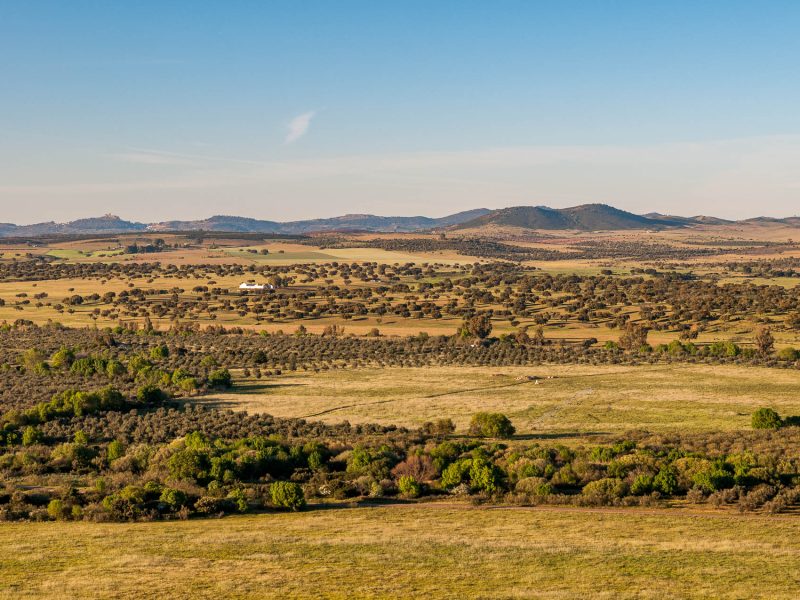
This river valley represents a significant fluvial corridor, with about 140km of extension. From the source, in the Serra das Mesas (Sabugal), to the mouth, in the Douro River (Vila Nova de Foz Côa), this river crosses the plateau area of the Beira Interior, which corresponds to the end of the Iberian Meseta. In the past it served as a natural border, but today it still closely follows the Portuguese border territory, full of historical, natural and landscape richness. The prehistoric traces of human and wild presence, the medieval castles and the historical walled villages are well represented here.

Its natural landscape has recovered in recent decades, and there are now large tracts of young oak trees (Pyrenean Oak), where there are natural meadows and ash tree groves. Consequently, wildlife has returned to or strengthened its presence in this territory, with large herbivores such as the Red deer and the Roe deer standing out. The mythical Iberian Wolf has also announced its presence in a more regular basis. But it is the group of birds, especially birds of prey, that are best represented in this extensive flattened landscape.

Visit the Greater Côa Valley
RTT certification

THE BIRDS

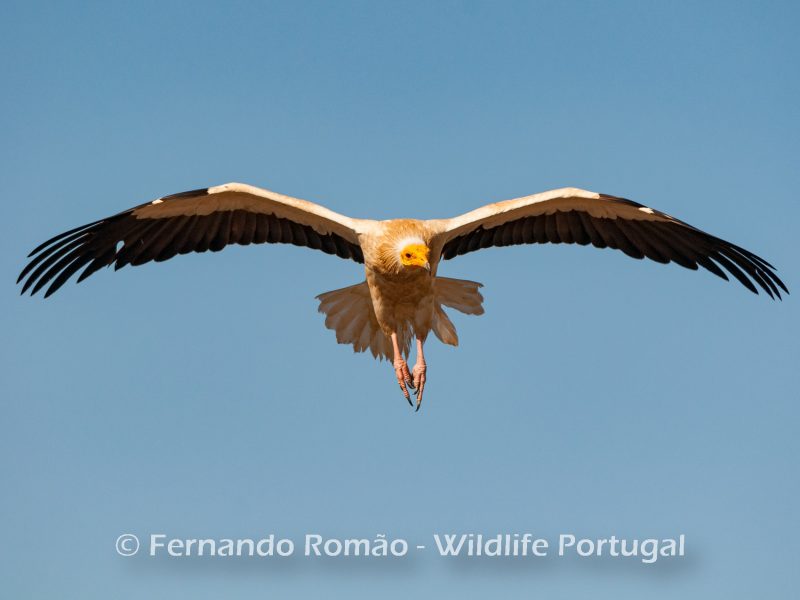
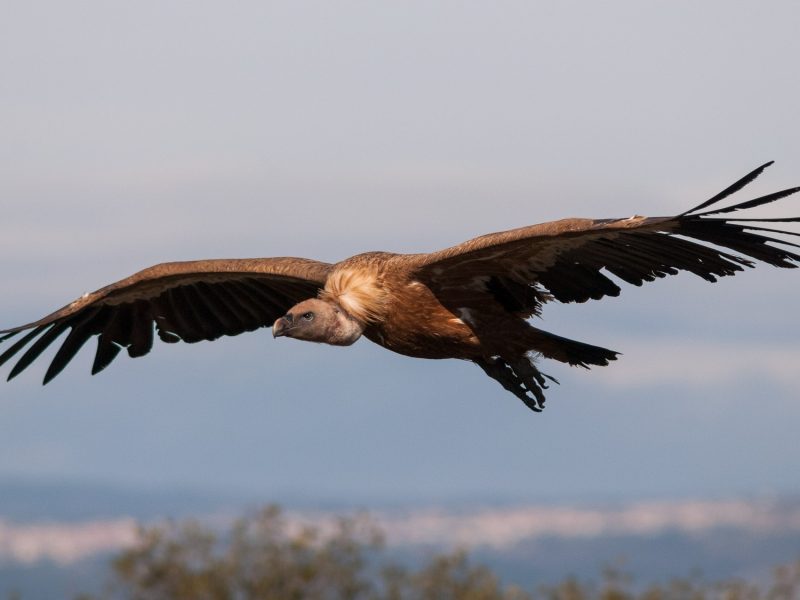
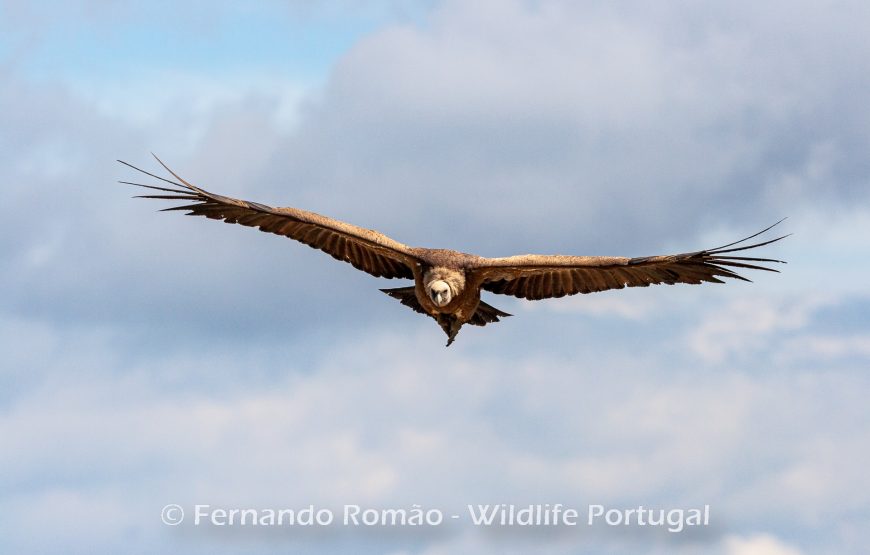
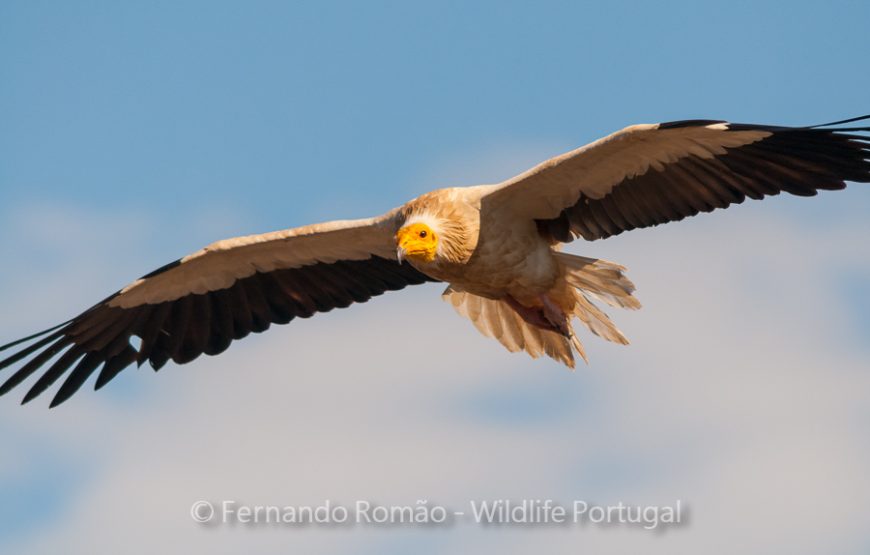
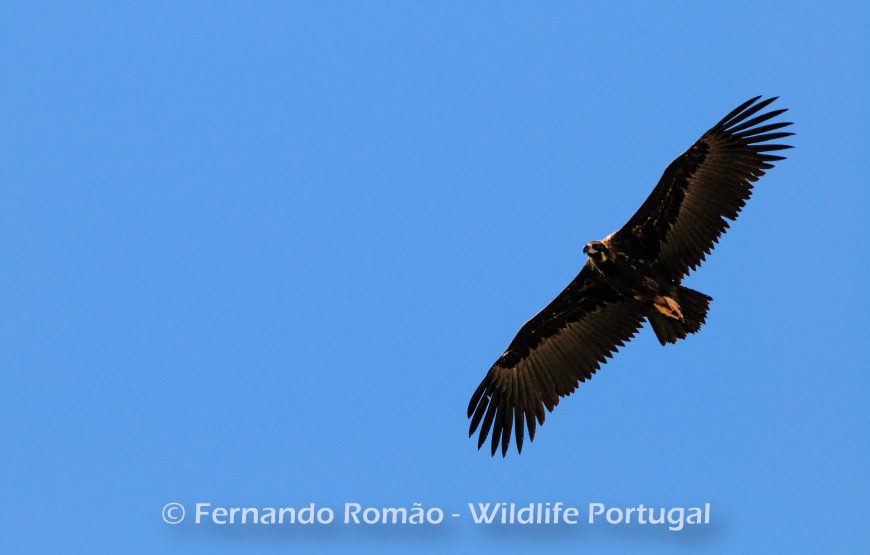
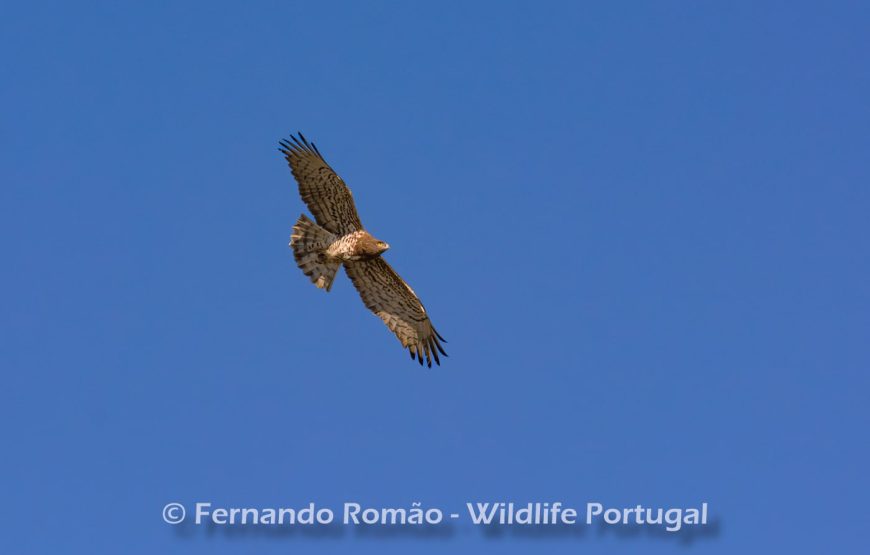
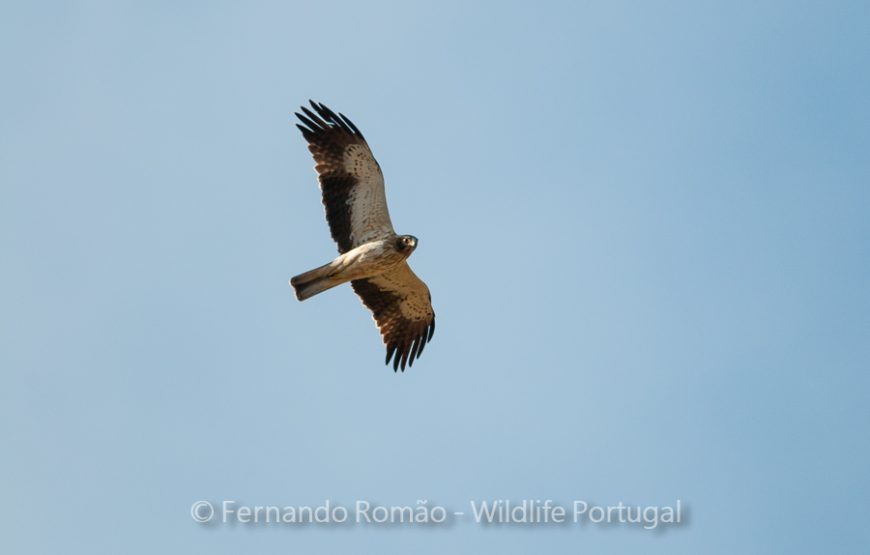
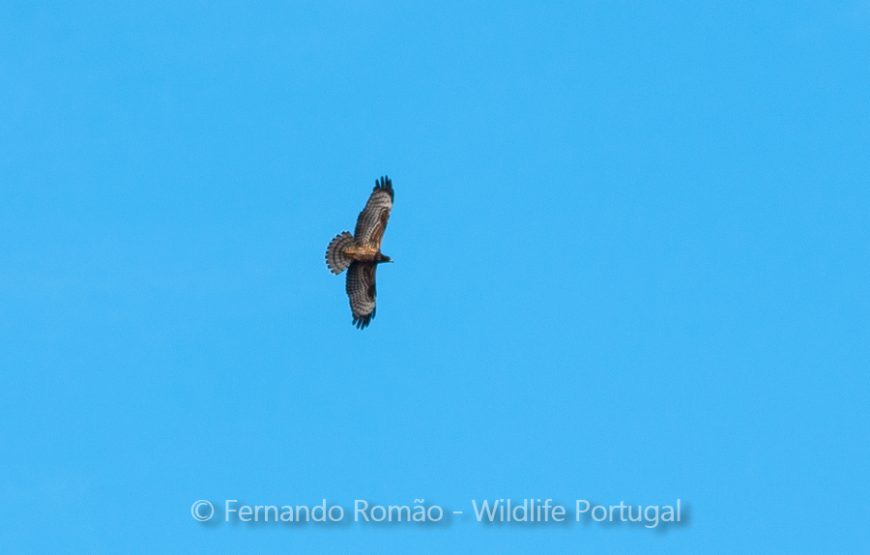
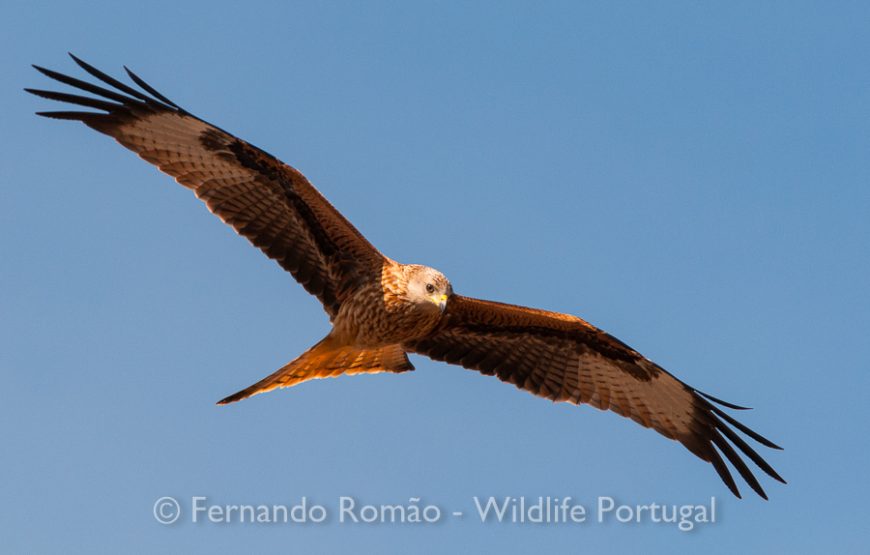
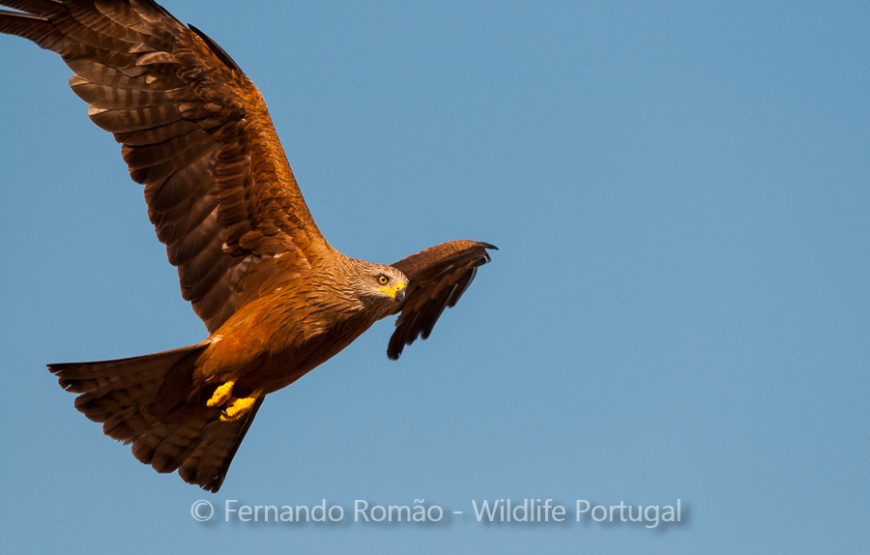
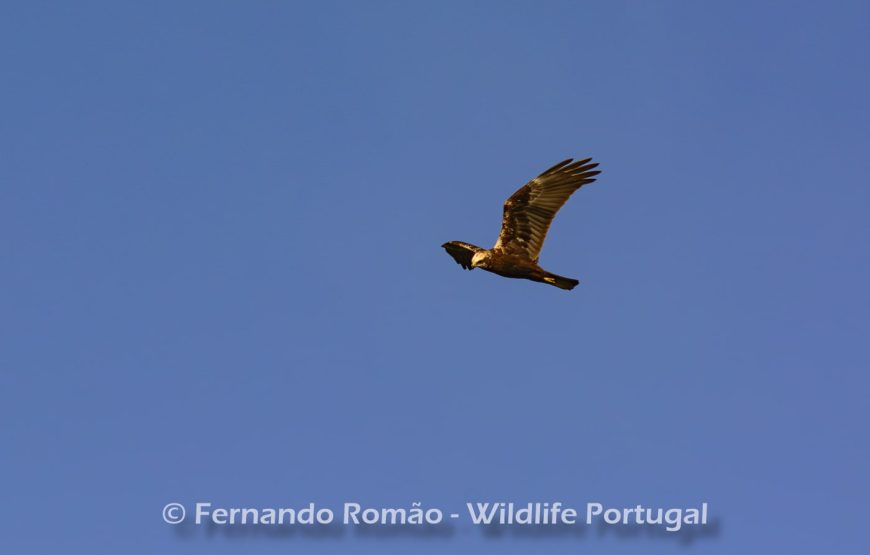
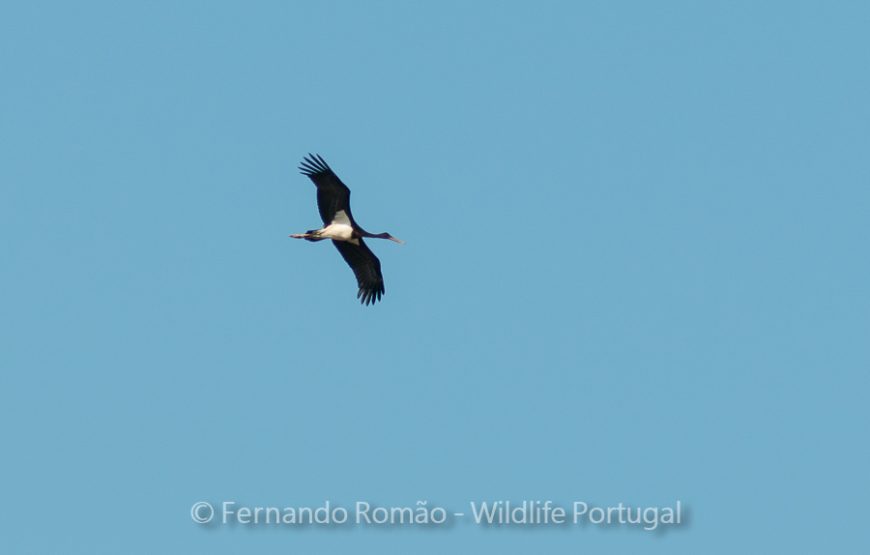
Is the group that stands out for the variety and occurrence of species of great value for conservation. Among them, the Black Stork (Ciconia nigra), the Egyptian Vulture (Neophron percnopterus), the Griffon Vulture (Gyps fulvus), the Black Vulture (Aegypius monachus), the Golden Eagle (Aquila chrysaetos), the Short-toed Snake Eagle (Circaetus gallicus) the Booted Eagle (Hieraaetus pennatus), the Red Kite (Milvus milvus), The Black-winged Kite (Elanus caeruleus), the Red-rumped Swallow (Cecropis daurica), the Crag Martin (Ptyonoprogne rupestris), the Alpine Swift (Apus melba).

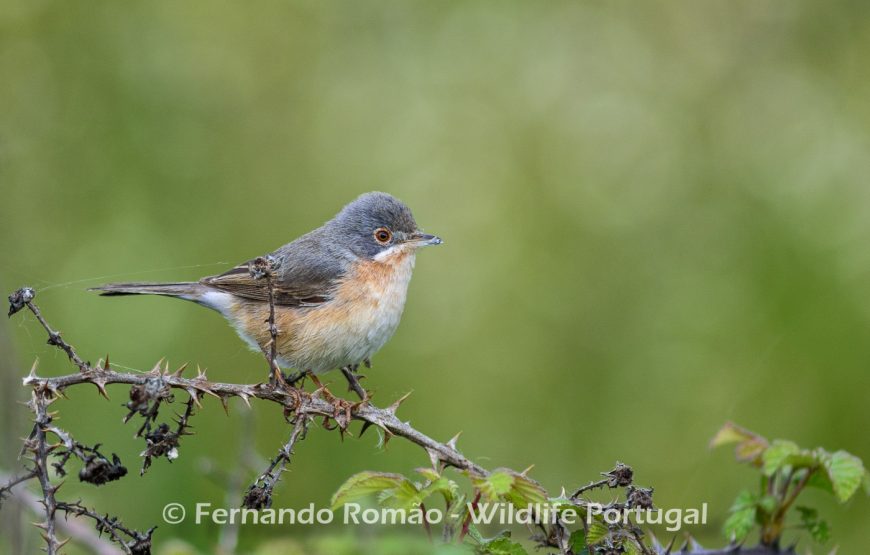
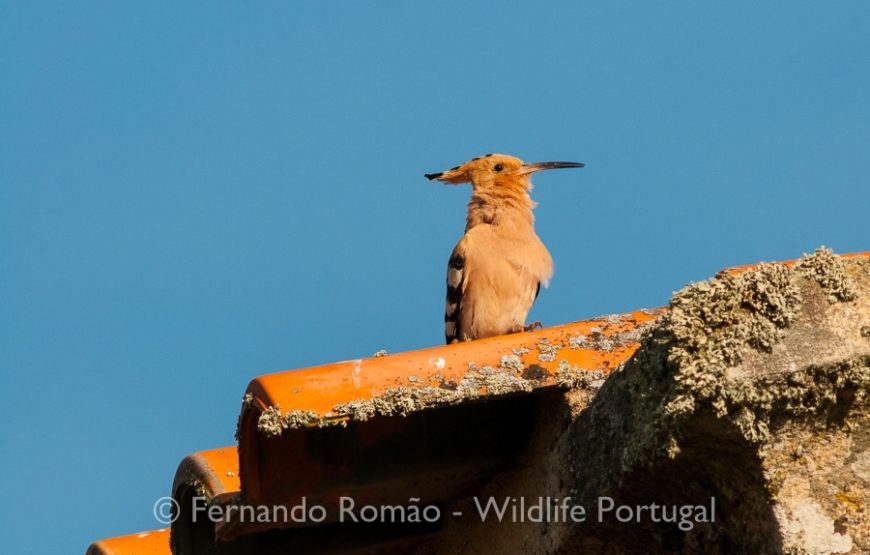
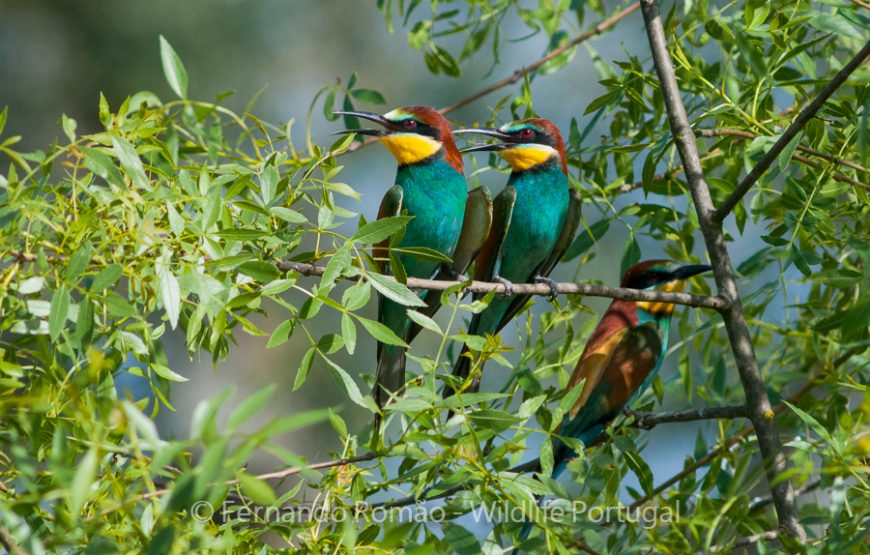
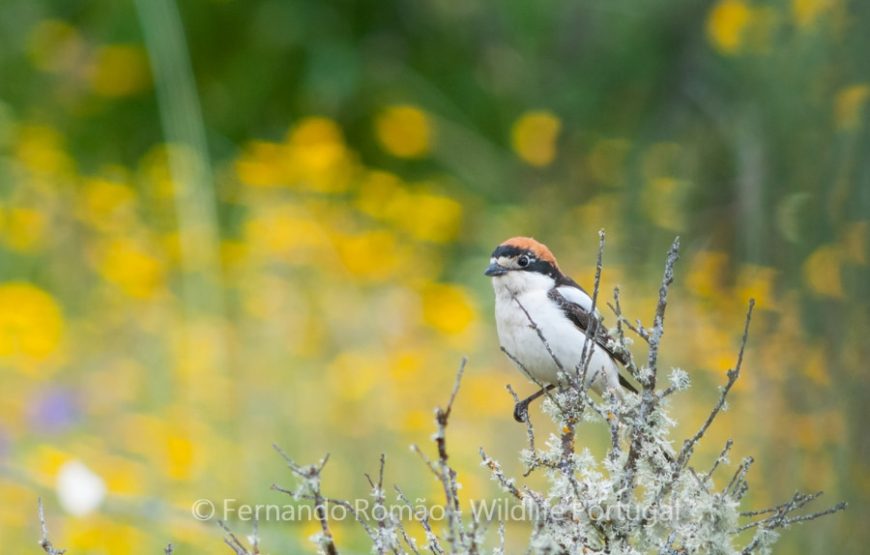
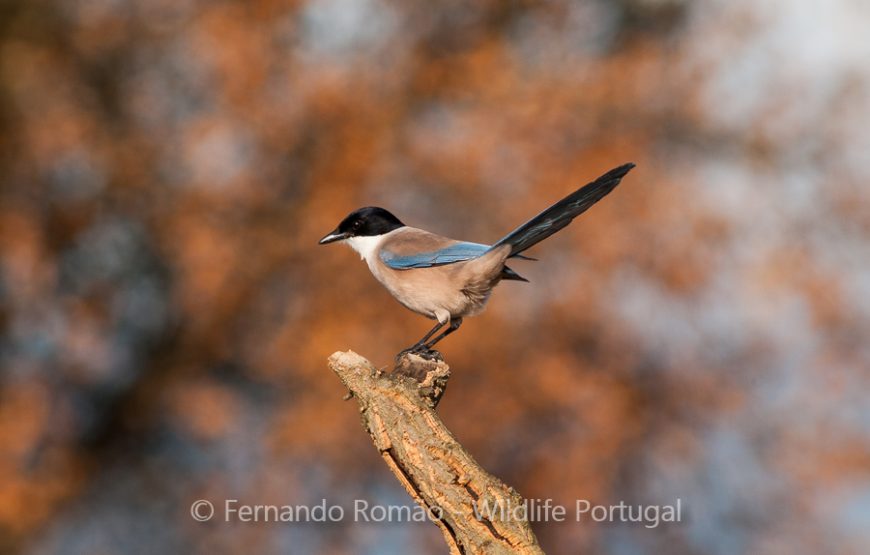
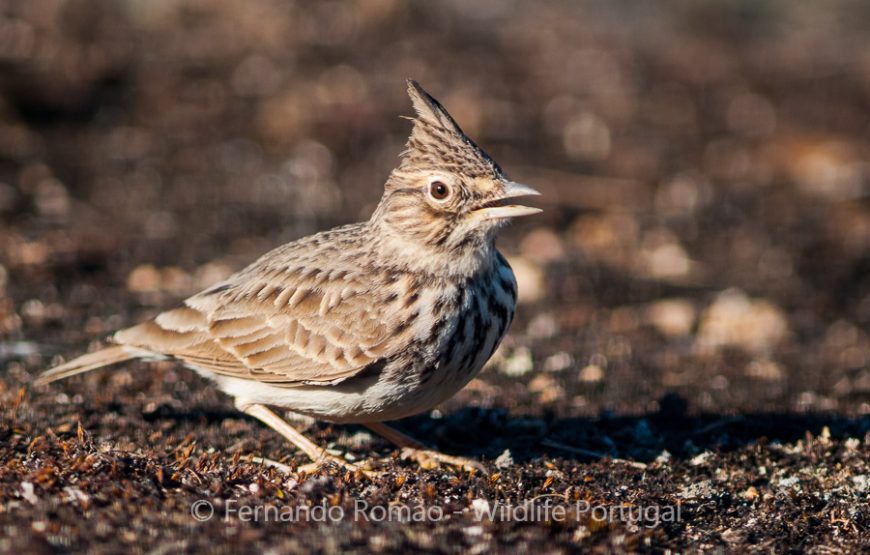
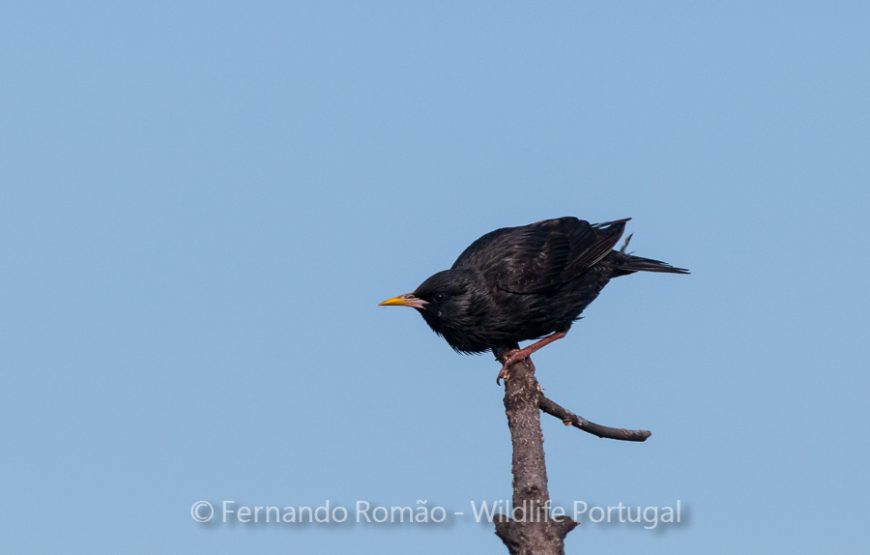
Other species that we can find here are the Red-necked Nightjar (Caprimulgus ruficollis), the Bee-eater (Merops apiaster), the Golden Oriole (Oriolus oriolus), the Blue Rock Thrush (Monticola solitarius), the Western Orphean Warbler (Curruca hortensis), the Sardinian Warbler (Curruca melanocephala) the Western Subalpine Warbler (Curruca iberiae), the Woodchat Shrike (Lanius senator), the Iberian Grey Shrike (Lanius meridionalis), the Thekla’s Lark (Galerida theklae), the Iberian Magpie (Cyanopica cooki), the Spotless Starling (Sturnus unicolor), the Spanish Sparrow (Passer hispaniolensis).

Highlights

  • Rewilding areas
  • Mediterranean birds

Itinerary

Day 1
Day 1

  • Arrival in Guarda, by train or bus;
  • Transfer to Vilar Maior to check in at the accommodation;
  • Presentation of the programme;
  • Dinner at the accommodation;
  • Night outing in the village and surroundings, to watch and listen to nocturnal birds (optional).

Day 2
Day 2

  • Breakfast;
  • Visit to Paul de Toirões rewilding area;
  • Stop at the Alfaiates reservoir and picnic lunch;
  • Visit to Mesas Mountain, source of the Côa River (altitude around 1,100 metres);
  • Dinner at the accommodation;
  • Night-time outing around the village and surrounding area to observe and listen to nocturnal birds (optional).


Day 3
Day 3

  • Breakfast;
  • Visit to Ermo das Águias rewilding area;
  • Picnic lunch by the river;
  • Transfer to Guarda and end of the tour.

Included/Excluded

  • 2 nights in a double room, with breakfast included, in a rural tourism house
  • 2 dinners
  • 2 picnic lunches
  • Tour guide
  • All permits
  • Nature conservation contribution fee
  • Local transport
  • Provision of optical equipment
  • Insurance
  • Others not specified

Language

English
Español
Português

Tour's Location

Vilar Maior, Sabugal, Portugal

FAQs

When is the best time to do this tour?

From mid-March to mid-June. During this period, birds are active and breeding, and weather conditions are usually acceptable.

How is this activity carried out?

The itinerary through the region is by car, but there are several stops planned to explore short walking routes.

Single-use plastics

In our activities, we promote the non-use of single-use plastics. This way, we recommend our clients to bring their own canteen for water.

Dietary restrictions

In case of food intolerance, or other dietary preferences, we are happy to adapt the meals accordingly, but we'd ask you to let us know in advance.

What to wear?

This activity requires comfortable footwear (preferably mountain boots or trainers), clothing adapted to the season and the weather forecast.

Smoking

In dry weather, it is very dangerous to smoke in the countryside. We ask that you only smoke at the end of the activity. Ando do not throw cigarette butts on the ground.

Reviews

0/5
Not Rated
Based on 0 review
Excellent
0
Very Good
0
Average
0
Poor
0
Terrible
0
Showing 1 - 0 of 0 in total

Write a review

This site uses Akismet to reduce spam. Learn how your comment data is processed.

from €0,00

Inquiry