from €150,00
Book Now

Birds of Upper Alentejo_1/2 day

Castelo de Vide
Not Rated
Duration

1/2 day

Tour Type

Daily Tour

Group Size

8 people

Languages

___

Overview

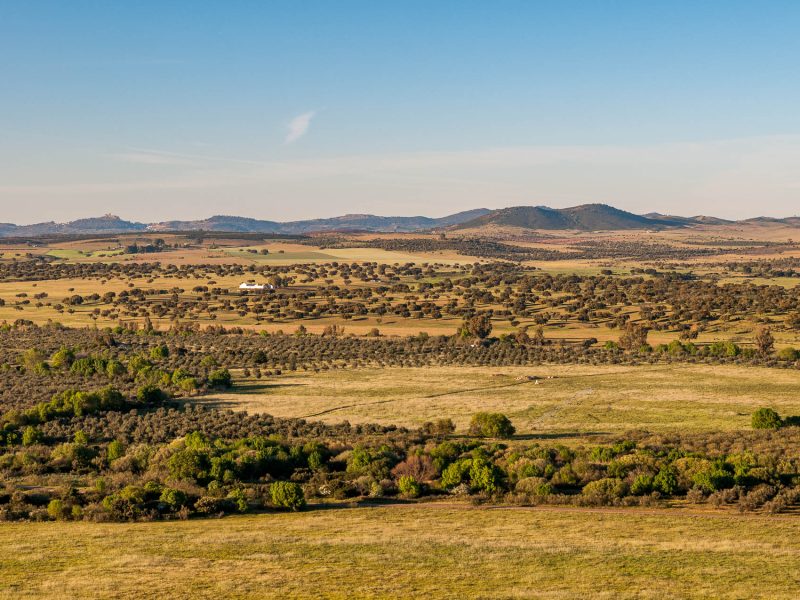
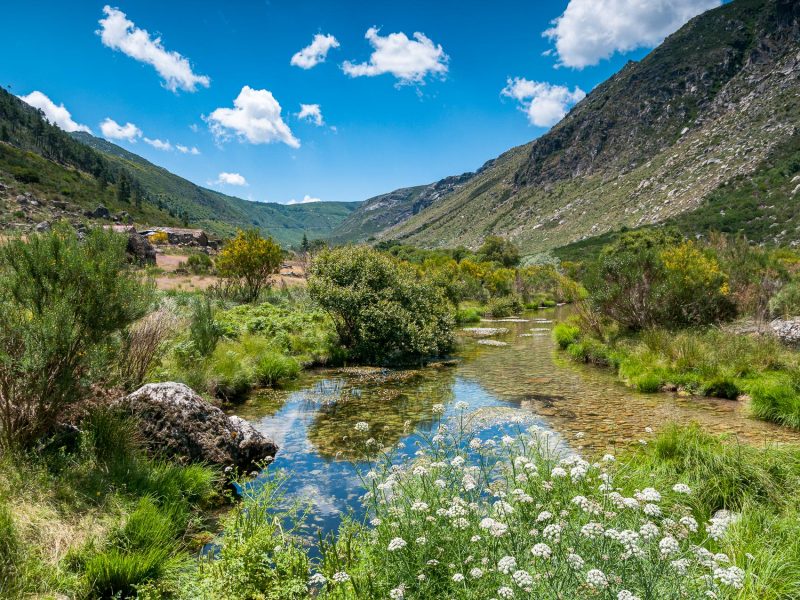
The Upper Alentejo is a border region where nature, history and tranquillity meet. Dominated by the São Mamede mountain, the region has a surprising landscape, a cooler climate and a remarkable diversity of scenery, ranging from Mediterranean forests and fertile valleys to open plains.

Rich in biodiversity, with rivers, reservoirs and well-preserved habitats, the Upper Alentejo is a privileged destination for those seeking nature tourism, bird watching and authentic contact with the rural world. Castles, walls and historic cities such as Elvas, Marvão and Castelo de Vide tell centuries of history in a setting of great beauty.

A peaceful, authentic and inspiring place, ideal for slowing down, exploring and rediscovering your connection with nature.
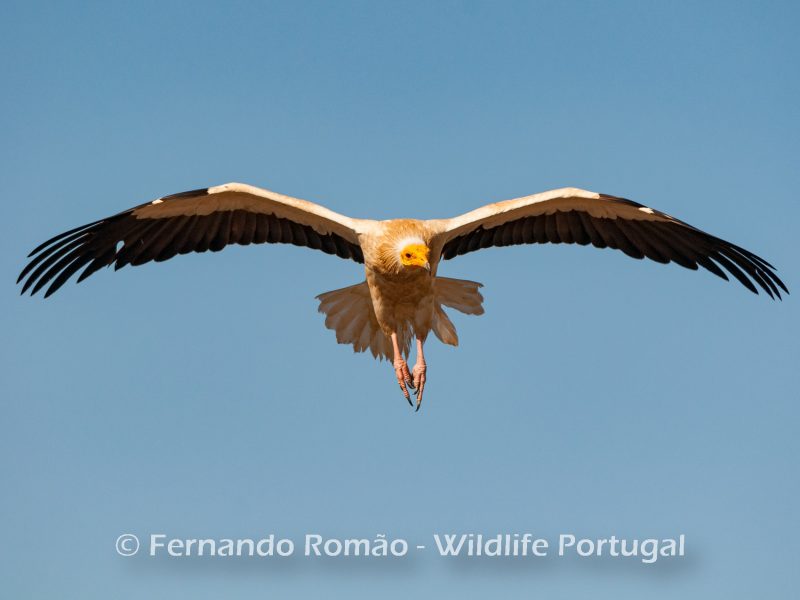
What can be observed

Griffon Vulture (Gyps fulvus)

Black Vulture (Aegypius monachus)

Short-toed Snake Eagle (Circaetus gallicus)

Booted Eagle (Hieraaetus pennatus)

Black Kite (Milvus migrans)

Red Kite (Milvus milvus)

Kestrel (Falco tinnunculus)

Gadwall (Anas strepera)

Shoveler (Anas clypeata)

Great Crested Grebe (Podiceps cristatus)

Black Stork (Ciconia nigra)

White Stork (Ciconia ciconia)

Common Crane (Grus grus) – during Winter

Great Bustard (Otis tarda)

Grey Heron (Ardea cinerea)

Purple Heron (Ardea purpurea)

Little Egret (Egretta garzetta)

Little Bittern (Ixobrychus minutus)

Glossy Ibis (Plegadis falcinellus)

Eurasian Coot (Fulica atra)

Purple Swamphen (Porphyrio porphyrio)

Water Rail (Rallus aquaticus)

Black-winged Stilt (Himantopus himantopus)

Collared Pratincole (Glareola pratincola)

Red-legged Partridge (Alectoris rufa)

Cattle Egret (Bubulcus ibis)

Gull-billed Tern (Gelochelidon nilotica)

Little Tern (Sternula albifrons)

Bee Eater (Merops apiaster)

European Roller (Coracias garrulus)

Golden Oriole (Oriolus oriolus)

Kingfisher (Alcedo atthis)

Great Spotted Cuckoo (Clamator glandarius)

Common Swift (Apus apus)

Pallid Swift (Apus pallidus)

Iberian Grey Shrike (Lanius meridionalis)

Woodchat Shrike (Lanius senator)

Green Woodpecker (Picus sharpei)

Lesser Spotted Woodpecker (Dendrocopos minor)

Nuthatch (Sitta europaea)

Short-toed Treecreeper (Certhia brachydactyla)

Red-legged Partridge (Alectoris rufa)

Iberian Magpie (Cyanopica cooki)

Jackdaw (Corvus monedula)

Red-rumped Swallow (Cecropis daurica)

Crag Martin (Ptyonoprogne rupestris)

Sand Martin (Riparia riparia)

Grey Wagtail (Motacilla cinerea)

Woodlark (Lullula arborea)

Crested Lark (Galerida cristata)

Thekla’s Lark (Galerida theklae)

Calandra Lark (Melanocorypha calandra)

Zitting Cisticola (Cisticola juncidis)

Great Reed Warbler (Acrocephalus arundinaceus)

Western Olivaceous Warbler (Iduna opaca)

Western Orphean Warbler (Curruca hortensis)

Black Redstart (Phoenicurus ochruros)

Common Redstart (Phoenicurus phoenicurus)

Alpine Accentor (Prunella collaris)

Blue Rock Thrush (Monticola solitarius)

Penduline Tit (Remiz pendulinus)

Hawfinch (Coccothraustes coccothraustes)

Spanish Sparrow (Passer hispaniolensis)

Rock Sparrow (Petronia petronia)

Rock Bunting (Emberiza cia)

Corn Bunting (Emberiza calandra)

Red Avadavat (Amandava amandava)

Highlights

  • Great diversity of birds and landscapes
  • Historical heritage

Included/Excluded

  • Tour guide
  • All licences
  • Insurance
  • Others not specified

Language

English
Español
Português

Tour's Location

Castelo de Vide

FAQs

When is the best time to do this tour?

From mid-March to mid-June. During this period, birds are active and breeding, and weather conditions are usually acceptable.

How is this activity carried out?

The itinerary through the region is by car, but there are several stops planned to explore short walking routes.

Single-use plastics

In our activities, we promote the non-use of single-use plastics. This way, we recommend our clients to bring their own canteen for water.

Dietary restrictions

In case of food intolerance, or other dietary preferences, we are happy to adapt the meals accordingly, but we'd ask you to let us know in advance.

What to wear?

This activity requires comfortable footwear (preferably mountain boots or trainers), clothing adapted to the season and the weather forecast.

Smoking

In dry weather, it is very dangerous to smoke in the countryside. We ask that you only smoke at the end of the activity. Ando do not throw cigarette butts on the ground.

Reviews

0/5
Not Rated
Based on 0 review
Excellent
0
Very Good
0
Average
0
Poor
0
Terrible
0
Showing 1 - 0 of 0 in total

Write a review

This site uses Akismet to reduce spam. Learn how your comment data is processed.

from €150,00

You might also like